
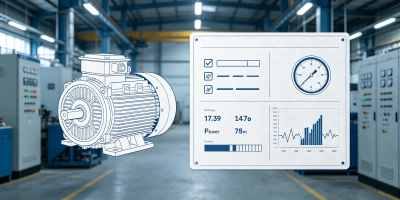
An electric motor nameplate contains essential information about motor performance, operating conditions and technical specifications. Engineers, maintenance teams and purchasing professionals use this information to identify whether a motor is suitable for a specific application.
Understanding electric motor nameplate data helps users correctly evaluate power, voltage, speed, efficiency, protection level and other important parameters before selecting or replacing an industrial motor.
Whether choosing new industrial motors or checking an existing motor installation, knowing how to read a motor nameplate is an important skill for reliable motor selection.
What Is an Electric Motor Nameplate?
An electric motor nameplate, also called a motor rating plate, is a metal or printed label attached to the motor housing. It provides standardized technical information defined by motor manufacturing standards.
The information shown on a nameplate allows users to understand the motor’s electrical characteristics, mechanical performance and operating limitations.
Different manufacturers may use slightly different layouts, but most industrial motor nameplates include the following information:
- Motor power rating
- Voltage and current
- Speed and frequency
- Efficiency class
- Protection rating
- Insulation class
- Duty classification
- Frame size
Why Motor Nameplate Information Matters
Selecting a motor based only on horsepower or kilowatt rating is not enough. Two motors with the same power rating may have different electrical characteristics and operating capabilities.
Motor nameplate data helps engineers confirm:
- Whether voltage matches the power supply
- Whether motor speed matches the driven equipment
- Whether efficiency requirements are satisfied
- Whether environmental protection is suitable
- Whether the motor can handle the required duty cycle
How to Read an Electric Motor Nameplate
A typical industrial motor nameplate contains multiple fields. Each parameter provides important information for motor selection and operation.
Motor Power Rating (kW and HP)
The power rating indicates the mechanical output capability of the motor.
Common units include:
- kW (kilowatt)
- HP (horsepower)
For example, a 15 kW motor can continuously deliver 15 kilowatts of mechanical power under its rated operating conditions.
The selected motor power should match the load requirements. An oversized motor may increase energy costs, while an undersized motor may overheat and experience reduced service life.
Voltage and Current Information
Voltage and current are two of the most important electrical parameters on a motor nameplate.
Typical information includes:
- Rated voltage (V)
- Rated current (A)
- Connection method (Star or Delta)
For example, a motor nameplate may show:
400V / 690V Δ/Y
This means the motor can be connected differently depending on the available power supply system.
Choosing the correct voltage is critical for reliable operation, especially for low voltage motors used in industrial facilities.
Motor Speed and Frequency
Motor speed is usually shown in revolutions per minute (RPM).
Common industrial motor speeds include:
- 3000 RPM
- 1500 RPM
- 1000 RPM
- 750 RPM
The actual speed depends on:
- Power supply frequency
- Number of motor poles
- Motor design
Most industrial motors operate at either 50 Hz or 60 Hz depending on regional power standards.
Motor Efficiency Class (IE2, IE3 and IE4)
The efficiency class indicates how effectively a motor converts electrical energy into mechanical output.
Common IEC efficiency levels include:
- IE1 Standard Efficiency
- IE2 High Efficiency
- IE3 Premium Efficiency
- IE4 Super Premium Efficiency
Higher efficiency motors reduce energy losses and operating costs. Many modern industrial applications use high efficiency motors to improve energy savings.
Motor Protection Rating (IP Code)
The IP rating shows the level of protection provided by the motor enclosure against solid objects and water.
Common ratings include:
- IP54
- IP55
- IP56
- IP65
For example, IP55 motors provide protection against dust and water jets, making them suitable for many industrial environments.
Motor Insulation Class
The insulation class indicates the maximum temperature resistance of the motor winding insulation system.
Common insulation classes include:
- Class B
- Class F
- Class H
Higher insulation classes allow motors to operate safely under higher thermal conditions.
Motor Duty Classification
The duty classification describes how the motor is designed to operate over time.
Common duty markings include:
- S1 Continuous Duty
- S2 Short-Time Duty
- S3 Intermittent Duty
Duty classification is important because motors used for continuous operation require different designs compared with motors used for frequent starting and stopping.
Learn more about motor duty classes and operating modes.
Motor Frame Size
The frame size defines the physical mounting dimensions of the motor.
Frame size affects:
- Shaft height
- Mounting dimensions
- Installation compatibility
Matching frame size is important when replacing an existing motor because mechanical dimensions must fit the equipment.
Example of Reading a Motor Nameplate
A typical industrial motor nameplate may show:
| Parameter | Example Value |
|---|---|
| Power | 30 kW |
| Voltage | 400V |
| Current | 56A |
| Speed | 1475 RPM |
| Frequency | 50 Hz |
| Efficiency | IE3 |
| Protection | IP55 |
| Duty | S1 |
How Motor Nameplate Data Helps Motor Selection
Correctly reading motor specifications helps prevent incorrect selection and reduces the risk of operational problems.
Before purchasing a motor, engineers should check:
- Required power output
- Voltage compatibility
- Operating speed
- Efficiency requirements
- Environmental conditions
- Duty cycle
Choosing the Right Industrial Motor Supplier
A professional motor supplier can help customers select suitable motors based on application requirements, technical specifications and operating conditions.
Ozan Industrial Motors supplies industrial electric motors for applications including pumps, fans, compressors, conveyors and custom machinery.
Our team provides motor selection support to help customers choose reliable and efficient motor solutions for different industries.
Frequently Asked Questions
What information is shown on an electric motor nameplate?
A motor nameplate usually includes power, voltage, current, speed, frequency, efficiency, protection rating, insulation class and duty classification.
How do I read a motor nameplate?
Start by checking power, voltage, RPM and frequency, then confirm efficiency class, IP rating and duty classification to ensure the motor matches the application.
What does IE3 mean on a motor nameplate?
IE3 indicates a premium efficiency motor classification according to IEC efficiency standards.
Why is motor nameplate data important?
Motor nameplate information helps users select the correct motor, avoid installation problems and improve equipment reliability.
Where can I find industrial motor specifications?
Motor specifications are usually available on the motor nameplate, technical datasheets and manufacturer documentation.