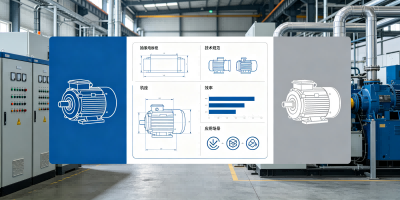
Industrial electric motors are manufactured according to different international standards depending on the region, application requirements and industry practices. The two most widely used motor standards worldwide are IEC and NEMA.
Understanding the differences between IEC vs NEMA motor standards helps engineers, distributors and purchasing teams select the correct motor for industrial applications.
Although both IEC and NEMA motors perform the same basic function, they differ in dimensions, ratings, testing methods, efficiency requirements and installation standards.
When selecting industrial motors, understanding these standards can prevent compatibility problems and improve equipment reliability.
What Are Industrial Motor Standards?
Industrial motor standards define the technical requirements used for designing, manufacturing and testing electric motors.
These standards ensure that motors from different manufacturers can meet consistent requirements for:
- Electrical performance
- Mechanical dimensions
- Efficiency levels
- Safety requirements
- Testing procedures
- Installation compatibility
The two main motor standard systems used globally are:
- IEC (International Electrotechnical Commission)
- NEMA (National Electrical Manufacturers Association)
IEC Motor Standards Explained
IEC motor standards are developed by the International Electrotechnical Commission and are widely used in Europe, Asia, Africa and many international markets.
Most industrial motors supplied worldwide follow IEC 60034 standards, which define requirements for rotating electrical machines.
Common IEC Motor Characteristics
- Metric dimensions
- IEC frame sizes
- Standardized mounting dimensions
- International efficiency classifications
- Global industrial acceptance
IEC motors are commonly used in factories, processing plants, pumps, fans and other industrial equipment around the world.
Many three phase motors supplied for international projects follow IEC standards.
NEMA Motor Standards Explained
NEMA motor standards are developed by the National Electrical Manufacturers Association and are primarily used in North America.
NEMA standards define motor performance, dimensions and testing requirements for motors used in the United States and Canada.
Common NEMA Motor Characteristics
- Imperial dimensions
- NEMA frame sizes
- Specific performance requirements
- North American installation standards
- Different mounting specifications
NEMA motors are widely used in industrial facilities throughout North America, especially where existing NEMA equipment is installed.
IEC vs NEMA Motor Comparison
| Category | IEC Motors | NEMA Motors |
|---|---|---|
| Standard Organization | International Electrotechnical Commission | National Electrical Manufacturers Association |
| Main Markets | Europe, Asia, Global Markets | United States and Canada |
| Dimensions | Metric system | Imperial system |
| Frame Design | IEC frame sizes | NEMA frame sizes |
| Efficiency Classification | IE efficiency classes | NEMA Premium Efficiency |
| Applications | Global industrial equipment | North American industrial equipment |
Key Differences Between IEC and NEMA Motors
Motor Dimensions and Frame Sizes
One of the biggest differences between IEC and NEMA motors is the physical dimension system.
IEC motors use metric frame sizes based on shaft height measured in millimeters. NEMA motors use frame dimensions based on inch measurements.
Because of these differences, IEC and NEMA motors are usually not direct replacements without checking mounting dimensions.
Motor Efficiency Standards
Both IEC and NEMA standards include efficiency requirements, but the classification systems are different.
IEC efficiency classes include:
- IE1 Standard Efficiency
- IE2 High Efficiency
- IE3 Premium Efficiency
- IE4 Super Premium Efficiency
NEMA motors commonly use NEMA Premium efficiency ratings for high-efficiency applications.
For energy-saving projects, many customers choose high efficiency motors based on regional standards and operating requirements.
Motor Ratings and Performance
IEC and NEMA motors may have different methods for defining:
- Power output
- Service factor
- Starting performance
- Temperature rise limits
Engineers should always compare complete motor specifications rather than only comparing rated horsepower or kilowatt values.
IEC Motors vs NEMA Motors: Application Differences
The correct motor standard depends mainly on the project location, existing equipment and customer requirements.
IEC Motor Applications
- International industrial projects
- Manufacturing plants
- Water treatment systems
- Pumps and fans
- Process industries
NEMA Motor Applications
- North American factories
- Oil and gas facilities
- Industrial machinery
- Existing NEMA-based systems
Which Motor Standard Should You Choose?
Choosing between IEC and NEMA motors depends on several factors:
- Project location
- Existing equipment standards
- Installation dimensions
- Voltage requirements
- Customer specifications
- Industry regulations
For international projects, IEC motors are often preferred because of their global compatibility. For North American installations, NEMA motors may be the better choice.
Industrial Motor Standards and Global Applications
Many global motor manufacturers provide both IEC and NEMA solutions to meet different market requirements.
Brands such as WEG, ABB, Siemens and other international manufacturers produce motors according to recognized standards for different industries.
Selecting the correct standard ensures better compatibility, easier maintenance and improved long-term reliability.
Choosing the Right Industrial Motor Supplier
A professional motor supplier should understand both IEC and NEMA requirements and help customers select motors based on application conditions.
Ozan Industrial Motors supplies industrial electric motors for global applications including pumps, fans, compressors, conveyors and custom machinery.
Our team can help customers compare motor specifications, efficiency requirements and international standards to find the right solution.
Frequently Asked Questions
What is the difference between IEC and NEMA motors?
IEC motors follow international metric standards, while NEMA motors follow North American standards with different dimensions, ratings and performance requirements.
Are IEC and NEMA motors interchangeable?
No. IEC and NEMA motors usually have different frame dimensions and mounting requirements, so compatibility should be checked before replacement.
Which motor standard is used worldwide?
IEC motor standards are widely used internationally, especially in Europe, Asia and global industrial projects.
Are IEC motors more efficient than NEMA motors?
Efficiency depends on the specific motor design and efficiency class. Both IEC and NEMA motors can provide high-efficiency solutions.
How do I choose between IEC and NEMA motors?
The choice depends on application requirements, project location, existing equipment standards and customer specifications.